

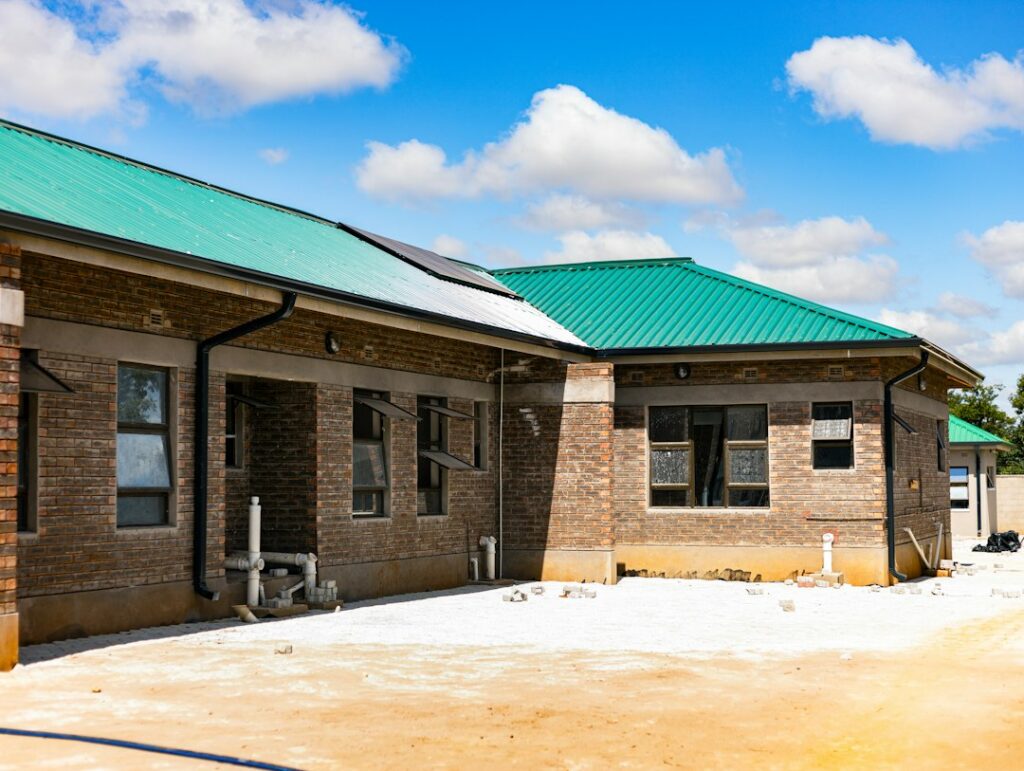
Managing property involves more than collecting rent and arranging repairs. The responsibilities change substantially depending on whether the property contains homes or serves businesses, customers, employees, tenants, or the public.
For residents of Roseville, CA, understanding the difference can make leases, maintenance requests, operating costs, and management responsibilities easier to evaluate. Commercial and residential property management share some basic principles, but they differ in purpose, legal considerations, building systems, tenant relationships, and financial complexity.
What is residential property management?
Residential property management focuses on homes where people live, such as single-family houses, apartments, condominiums, and townhomes. The central goal is to maintain a safe, functional living environment while managing the financial and administrative needs of the property.
Typical residential responsibilities include:
- Advertising available homes and processing rental applications
- Collecting rent and tracking security deposits
- Coordinating repairs and routine maintenance
- Responding to habitability concerns
- Managing move-in and move-out inspections
- Handling lease renewals, notices, and tenant records
- Addressing common-area upkeep in multifamily properties
- Coordinating urgent responses to leaks, heating problems, or electrical issues
Residential tenants generally use the property every day as a home. That means privacy, quiet enjoyment, habitability, security, and timely responses to essential repairs are central concerns.
In a warm inland climate, seasonal conditions can also shape residential maintenance. Air-conditioning performance, irrigation systems, roof drainage, exterior paint, and landscaping may require attention during periods of heat, wind, or heavy winter rain.
What is commercial property management?
Commercial property management concerns buildings used for business or organizational purposes. Examples include office buildings, retail spaces, industrial facilities, medical offices, warehouses, and mixed-use properties with commercial areas.
The work often includes:
- Administering business leases and renewal terms
- Coordinating building access, security, and operating hours
- Managing shared utilities and common-area expenses
- Scheduling inspections and preventive maintenance
- Supervising janitorial, landscaping, parking, and waste services
- Monitoring heating, ventilation, and air-conditioning systems
- Coordinating fire protection, elevators, lighting, and other building systems
- Tracking rent, reimbursements, taxes, insurance, and operating expenses
- Communicating with owners, tenants, contractors, and government authorities
Commercial management must account for how a building supports business operations. A malfunctioning air-conditioning system, blocked delivery area, failed access-control system, or plumbing shutdown may affect employees, customers, inventory, and revenue.
The property manager therefore works not only with occupants but also with business operators who have schedules, equipment, customers, employees, and operational requirements.
How do leases differ between commercial and residential properties?
Commercial leases are usually more customized and detailed than residential leases. Residential agreements often use a relatively consistent structure covering rent, deposits, occupancy, maintenance, pets, utilities, and notice requirements.
Commercial agreements may address:
- Permitted business use
- Signage and visibility
- Parking and loading access
- Building hours and after-hours access
- Utility responsibility
- Insurance requirements
- Repairs and replacements
- Tenant improvements
- Subleasing and assignment
- Renewal options
- Shared-area expenses
- Property taxes and insurance reimbursements
Commercial rent may be only one part of the tenant’s total occupancy cost. Depending on the lease structure, a business may also pay a portion of maintenance, utilities, insurance, property taxes, or common-area expenses.
A commercial tenant should understand which costs are fixed, which may change, and how shared expenses are calculated. A residential renter usually encounters a simpler cost structure, although utility arrangements and other charges can still vary.
Are commercial tenants managed differently from residential tenants?
Yes. Commercial tenants are often managed according to the operation of their business, while residential tenants are managed according to their use of the property as a home.
A residential maintenance request might involve a broken appliance, a plumbing issue, or an uncomfortable indoor temperature. A commercial request may involve equipment loads, customer access, deliveries, building hours, specialized ventilation, or compliance with a tenant’s business activities.
Communication also tends to be more formal in commercial settings. Property managers may interact with business owners, corporate representatives, facilities staff, employees, vendors, and legal or accounting teams. The person occupying the space may not be the person responsible for the lease.
Residential management typically involves more frequent direct communication with individual households. Commercial management may involve fewer tenants but more extensive documentation and coordination for each tenancy.
Why are commercial buildings more complex to maintain?
Commercial properties often contain larger and more interconnected systems. A residential building may have relatively familiar components such as household plumbing, electrical panels, appliances, and heating or cooling equipment. Commercial buildings can include larger mechanical systems, multiple electrical services, fire-safety equipment, elevators, loading areas, specialized lighting, and complex access controls.
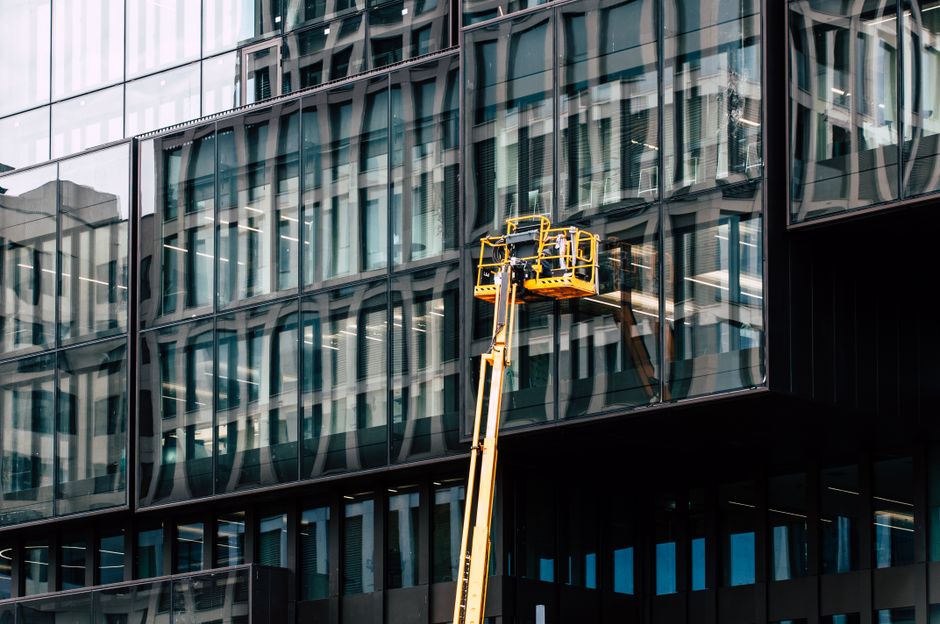
Maintenance may also be governed by the tenant’s business use. A food-related operation, medical office, warehouse, or customer-facing business can create different needs for ventilation, sanitation, storage, waste handling, or accessibility.
Preventive maintenance is especially important in commercial properties because a failure can interrupt business activity. Regular inspections can identify worn equipment, drainage problems, roof issues, lighting failures, and safety hazards before they become expensive or disruptive.
In a growing community with a mix of established neighborhoods and newer development, management practices may vary by building age. Older properties may require more attention to aging roofs, plumbing, electrical capacity, insulation, or accessibility features, while newer buildings may involve warranty coordination and modern building systems.
How do legal and safety responsibilities differ?
Both types of management require compliance with applicable housing, building, safety, accessibility, environmental, and lease requirements. The exact duties depend on the property, the lease, the work being performed, and the applicable law.
Residential management places strong emphasis on habitability, privacy, security, deposits, notices, and protections for household occupants. Commercial management places greater emphasis on use restrictions, insurance, indemnification, accessibility, fire protection, hazardous materials, construction work, and allocation of repair responsibilities.
Commercial properties may also require coordination around:
- Emergency exits and fire equipment
- Accessibility for customers and employees
- Construction permits and tenant improvements
- Hazardous or regulated materials
- Business-specific ventilation or electrical needs
- Parking, deliveries, and site circulation
- Security and after-hours access
A property manager should not assume that a rule or practice suitable for a residence also applies to a commercial building. Safety concerns, legal obligations, and lease language can differ significantly.
Who pays for repairs and operating costs?
The answer depends on the lease and the type of repair. In residential settings, the property owner or manager commonly handles essential building repairs, while the resident may be responsible for damage caused by misuse or for minor obligations stated in the agreement.
Commercial leases often divide responsibilities in greater detail. One party may handle structural components, while another handles interior repairs, equipment, storefront elements, or business-specific improvements. Shared expenses may be divided among tenants using a formula based on leased area or another agreed method.
This division can become complicated when a repair affects both the building and a tenant’s equipment. For example, a cooling problem may involve the building’s central system, a tenant-owned unit, or both. Clear records, inspections, and lease language help determine responsibility.
What should residents understand about mixed-use properties?
Mixed-use buildings combine residential and commercial uses, so management must account for both. Residents may share walls, parking areas, entrances, elevators, trash facilities, or mechanical systems with businesses.
Common concerns include:
- Noise during business deliveries or operating hours
- Odors or ventilation from commercial activities
- Different access and security schedules
- Shared utility or maintenance arrangements
- Parking conflicts
- Construction or tenant-improvement activity
- Separation between residential and commercial entrances
Successful management depends on clearly defined rules, prompt attention to safety and habitability concerns, and communication about work that may affect residents.
Which type of management is more demanding?
Neither category is automatically easier. Residential management often involves a larger number of individual tenants and frequent questions about daily living conditions. Commercial management may involve fewer tenants but more complex leases, building systems, financial arrangements, and operational risks.
The main distinction is the nature of the property’s use. Residential management protects and supports household living. Commercial management supports business activity while preserving the building’s safety, function, value, and compliance.
For anyone evaluating a property in Roseville, the most useful questions concern who controls repairs, which costs are included in rent, how emergencies are handled, what rules apply to the property’s use, and whether the lease clearly explains each party’s responsibilities.