

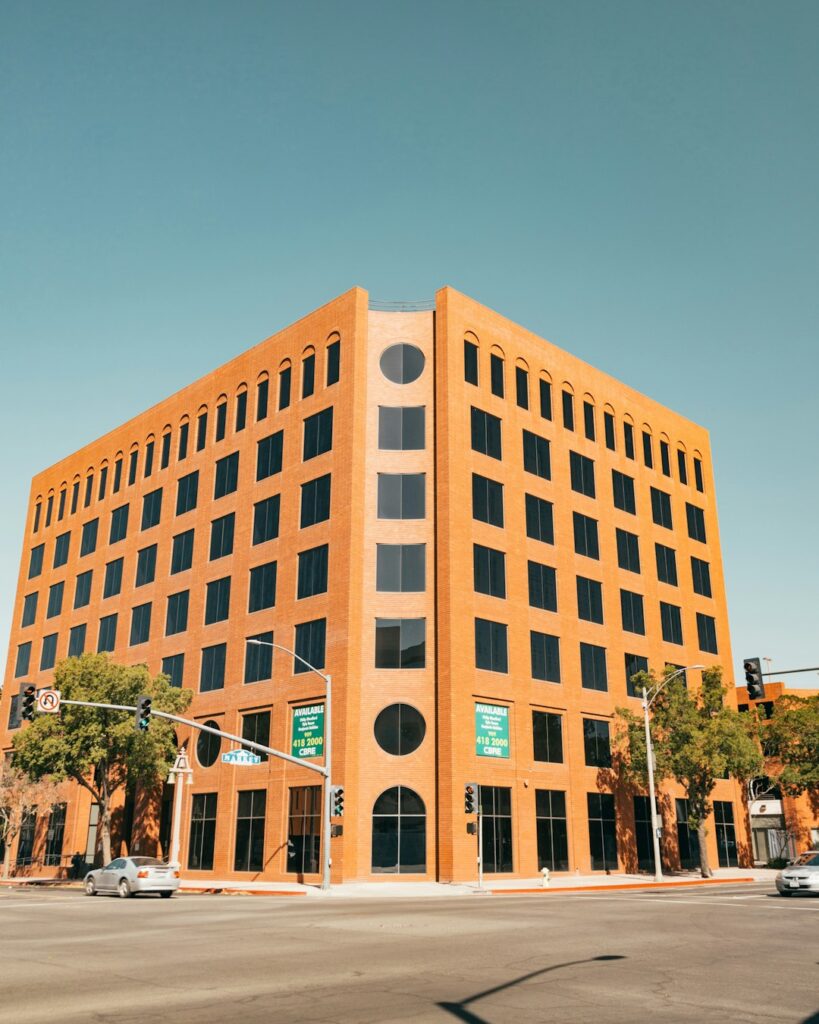
Commercial leases can look similar at first glance, but the way rent, operating expenses, repairs, taxes, and insurance are assigned can differ substantially. For businesses and property owners in Roseville, understanding these distinctions helps prevent unexpected costs and makes lease terms easier to compare.
What is a commercial lease?
A commercial lease is a contract that allows a business to use a property for a defined period in exchange for rent and other agreed obligations. The agreement usually addresses the permitted use, lease term, rent increases, maintenance responsibilities, insurance requirements, improvements, and renewal or termination rights.
Commercial leases are more customized than most residential leases. Two spaces in the same building may have different financial structures because of the tenant’s use, the building’s design, or the bargaining position of the parties.
The most useful starting point is to identify which expenses are included in base rent and which are billed separately.
What is a gross lease?
A gross lease generally requires the tenant to pay one rent amount while the property owner pays most operating expenses. Those expenses may include property taxes, building insurance, common-area maintenance, and certain repairs.
A full-service gross lease is common in some office settings. The tenant pays an agreed rental amount, and the owner manages many building-wide expenses. Electricity, janitorial service, internet, and after-hours heating or cooling may still be billed separately.
A modified gross lease divides expenses between the parties. For example, the tenant may pay its own utilities and janitorial costs while the owner pays property taxes, insurance, and common-area maintenance. Another arrangement may require the tenant to pay increases in operating expenses above a defined “base year.”
Gross leases are often easier to budget because the tenant has fewer separate invoices. However, the lease should explain whether the rent can change when taxes, insurance premiums, or building expenses increase.
What is a net lease?
A net lease requires the tenant to pay base rent plus some property-related expenses. The word “net” refers to costs passed through to the tenant.
The three common forms are:
- Single-net lease: The tenant pays base rent plus property taxes.
- Double-net lease: The tenant pays base rent plus property taxes and building insurance.
- Triple-net lease: The tenant pays base rent plus property taxes, insurance, and maintenance or operating expenses.
A triple-net lease can provide a clear division of responsibilities, but the total occupancy cost may be higher than the advertised base rent suggests. A tenant evaluating a space should request realistic estimates for taxes, insurance, common-area maintenance, utilities, repairs, and any administrative fees.
In a retail, office, or industrial setting, the definition of operating expenses matters. For example, a lease may exclude major structural repairs but include routine parking lot maintenance, landscaping, lighting, security, or storm-related cleanup.
What is a percentage lease?
A percentage lease combines base rent with a percentage of the tenant’s sales. This structure is most closely associated with retail properties, although the details vary by agreement.
The lease may require a fixed minimum rent plus a percentage of gross sales above a negotiated threshold. It should also define which sales are included, how online orders are treated, whether returns are deducted, and how sales reports are submitted.
Percentage leases can be complicated when a business sells through multiple channels or uses a physical space for pickup, storage, demonstrations, or fulfillment. Clear reporting language is essential because disagreements often arise from the definition of sales rather than the percentage itself.
What is a ground lease?
A ground lease allows a tenant to use land and typically construct or operate improvements on it for a long period. The tenant may be responsible for construction, utilities, taxes, insurance, maintenance, and eventual removal or transfer of improvements.
Ground leases are different from ordinary building leases because the tenant may invest heavily in structures that remain connected to the land. The agreement should address ownership of improvements, financing rights, casualty damage, environmental responsibilities, lease extensions, and what happens when the term ends.
These leases may be used for standalone commercial uses, specialized facilities, or properties where the land arrangement is separate from the building arrangement.
How do operating expenses work in a commercial lease?
Operating expenses are the costs of maintaining and operating a property. Depending on the lease, they may be paid by the owner, the tenant, or both.
Common examples include:
- Property taxes and assessments
- Building and liability insurance
- Landscaping and exterior maintenance
- Parking area repairs and lighting
- Common-area utilities
- Janitorial and waste services
- Heating, ventilation, and air-conditioning maintenance
- Security or access-control systems
- Management or administrative fees

A lease should explain whether expenses are estimated monthly and reconciled later against actual costs. It should also state whether the tenant can review records, whether capital improvements may be passed through, and how costs are allocated among multiple occupants.
Shared expenses are particularly relevant in multi-tenant properties. A tenant with a small suite may not pay an equal share of every cost; allocation may be based on rentable square footage, actual use, occupancy, or another formula.
What is the difference between rentable and usable space?
Usable space is the area occupied exclusively by the tenant. Rentable space includes the tenant’s usable area plus a share of common areas such as lobbies, corridors, restrooms, elevators, and shared facilities.
Rent is often calculated using rentable square footage. This means a tenant may pay for a portion of space it does not directly control. The lease or measurement standard should explain how the calculation was made.
This distinction matters when comparing locations. A lower price per square foot may not be less expensive if the property has a larger common-area allocation or substantial pass-through expenses.
Which lease terms deserve extra attention?
The payment structure is only one part of the agreement. Other provisions can significantly affect the tenant’s costs and flexibility.
Review the following terms carefully:
- Lease term and renewal options: Longer terms may provide stability but reduce flexibility.
- Rent increases: Increases may be fixed, tied to an index, or based on expense changes.
- Security deposit or personal guarantee: These provisions affect financial exposure if the business cannot perform.
- Permitted use: The approved use may limit changes in business activity or future tenants.
- Maintenance and repairs: The lease should distinguish routine maintenance from structural systems and major replacements.
- Tenant improvements: Construction rules, approval procedures, permits, and restoration obligations should be clear.
- Assignment and subleasing: These provisions govern whether the tenant can transfer the lease or bring in another occupant.
- Insurance: Coverage limits and additional-insured requirements may be specified.
- Default and remedies: The agreement should explain notice periods, late charges, cure rights, and termination procedures.
In Roseville, seasonal heat, strong sun exposure, and occasional heavy rain can make exterior maintenance, roof conditions, drainage, landscaping, and heating and cooling responsibilities especially relevant. These issues should not be left to informal assumptions.
How should a business compare different lease types?
Compare the estimated total occupancy cost rather than the advertised base rent alone. A practical comparison should include:
1. Base rent for each year of the proposed term.
2. Estimated taxes, insurance, and operating expense charges.
3. Utilities, janitorial service, waste removal, and maintenance.
4. Expected rent increases and expense reconciliations.
5. Build-out costs, permits, furnishings, and restoration requirements.
6. Security deposits, guarantees, and other upfront obligations.
7. Renewal, relocation, assignment, and early-termination rights.
A lower base rent may not produce a lower total cost if the tenant assumes substantial maintenance or unpredictable operating expenses. Conversely, a higher gross rent may offer more predictable budgeting.
Because lease language can create legal and financial obligations, a tenant or owner facing unusual liability, hazardous conditions, structural problems, environmental concerns, or complicated construction requirements may need qualified legal, accounting, engineering, or safety guidance before signing.