

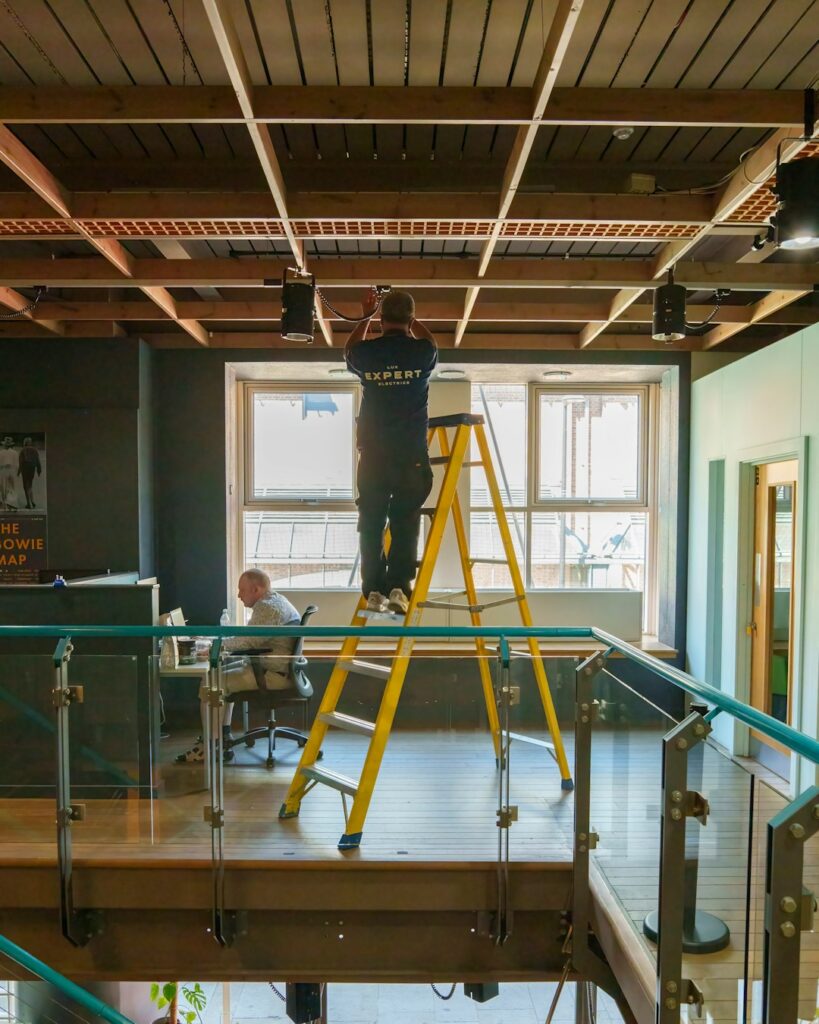
Commercial property management is the day-to-day oversight of buildings and land used for business purposes. A commercial property manager helps keep offices, retail spaces, industrial buildings, medical facilities, and mixed-use properties safe, functional, financially organized, and suitable for tenants and visitors.
The role is broader than collecting rent. It combines building operations, tenant communication, maintenance coordination, financial administration, risk management, and long-term planning.
What does a commercial property manager do each day?
A commercial property manager coordinates the routine activities that keep a property operating. Some days involve scheduled inspections and maintenance planning, while others require a quick response to a plumbing problem, access issue, safety concern, or tenant request.
Common responsibilities include:
- Checking the condition of common areas, parking areas, entrances, lighting, restrooms, and mechanical spaces
- Communicating with tenants about building access, repairs, rules, and operating concerns
- Arranging routine maintenance and responding to urgent service needs
- Reviewing invoices, operating expenses, rent payments, and property budgets
- Coordinating vendors who work on cleaning, landscaping, electrical systems, heating and cooling, security, or repairs
- Documenting inspections, work orders, incidents, and completed improvements
- Monitoring whether building systems are operating as expected
The work may happen behind the scenes, but its effects are visible in the cleanliness, safety, accessibility, and reliability of a commercial property.
How is commercial property management different from residential management?
Commercial management involves business operations, more complex building systems, and lease terms that often vary from tenant to tenant. A residential property may have many individual households following similar lease rules, while a commercial property may contain offices, service businesses, storage areas, or customer-facing operations with different needs.
Commercial tenants may also depend on the property for:
- Customer access and parking
- Deliveries and loading areas
- Business-hour heating and cooling
- Reliable internet, power, and lighting infrastructure
- Signage and visibility
- Compliance with occupancy, accessibility, and safety requirements
A property manager must understand how building conditions affect business activity. A malfunctioning air-conditioning system, blocked delivery area, or damaged entry door may interfere with a tenant’s operations even if the building itself remains occupied.
Who does a commercial property manager work with?
The manager usually serves as a central point of communication among the property owner, tenants, maintenance vendors, inspectors, contractors, insurers, and sometimes legal or accounting professionals.
Tenant communication is a major part of the job. A manager may explain building rules, coordinate repair access, handle complaints, discuss after-hours procedures, or clarify which party is responsible for a repair under the lease.
The manager also has to communicate clearly with owners. Owners may need regular updates about occupancy, expenses, major repairs, lease matters, safety concerns, or future capital improvements. Good records help distinguish routine operating costs from larger projects that affect the property’s long-term condition.
Does a property manager handle leases?
A commercial property manager often helps administer leases, but the exact responsibility depends on the owner’s arrangements and the property’s management structure. Lease administration can include tracking renewal dates, security deposits, rent adjustments, insurance requirements, operating expense provisions, and tenant improvement obligations.
A manager may also help enforce practical lease requirements, such as:
- Approved use of the premises
- Maintenance duties assigned to the tenant
- Rules for alterations or construction
- Hours for deliveries or building access
- Parking and common-area policies
- Required insurance documentation
- Procedures for reporting damage or emergencies
A property manager generally should not interpret a disputed lease provision as a substitute for legal advice. Lease language can affect financial obligations and legal rights, so complicated disputes may require review by a qualified attorney.
What kinds of maintenance does the role involve?
Maintenance oversight is one of the most visible parts of commercial property management. The manager may not perform the physical work, but typically identifies needs, obtains information from qualified vendors, schedules access, reviews the completed work, and maintains documentation.
Routine maintenance may include:
- Heating and cooling inspections
- Roof and drainage checks
- Lighting replacement
- Plumbing repairs
- Exterior and interior painting
- Pavement, striping, and parking-area upkeep
- Landscaping and irrigation
- Fire and life-safety system servicing
- Door, lock, and access-control repairs
- Cleaning and waste-area maintenance

In Roseville, CA, hot, dry summers can increase demand on cooling systems, landscaping, irrigation, roofing materials, and exterior surfaces. Seasonal planning can help identify problems before they become disruptive or more expensive.
How does a manager respond to emergencies?
Emergency response means protecting people, limiting property damage, communicating quickly, and documenting what happened. Examples include a major water leak, electrical failure, fire alarm activation, storm-related damage, security incident, or unsafe building condition.
The manager may need to:
- Determine whether an area should be closed or restricted
- Notify tenants and building occupants
- Arrange emergency services or repairs
- Protect equipment, records, and other property where possible
- Coordinate with insurers or investigators
- Record the time, circumstances, actions taken, and follow-up needs
Not every urgent problem can be handled by a property manager alone. Electrical hazards, suspected gas issues, fire conditions, structural damage, hazardous materials, and other dangerous situations may require emergency responders or licensed specialists.
What financial responsibilities are involved?
Commercial property managers often prepare or monitor operating budgets and track whether expenses are consistent with expectations. Financial duties can include collecting rent, paying approved invoices, reviewing utility charges, monitoring maintenance costs, and preparing reports for the owner.
The manager may also help forecast larger expenses, such as roof replacement, paving, heating and cooling equipment, exterior improvements, or accessibility upgrades. Planning ahead is useful because commercial building systems can be costly to replace and may affect tenants if work is delayed.
A manager’s financial role is not limited to reducing expenses. The goal is generally to balance reasonable operating costs with safety, reliability, tenant needs, and the property’s long-term condition.
What regulations and safety issues must be considered?
Commercial properties must be operated with attention to applicable building, fire, accessibility, environmental, employment, and public-safety requirements. The specific obligations depend on the property’s use, construction, occupancy, equipment, and lease arrangements.
Managers may help coordinate inspections, maintain required records, address reported hazards, and confirm that repairs or alterations are performed appropriately. They may also monitor issues such as blocked exits, inadequate lighting, damaged walkways, unsafe stairs, water intrusion, or improper storage.
Rules can change, and responsibility may be divided among the owner, tenant, contractor, and property manager. For that reason, compliance questions should be evaluated based on the property’s actual conditions and the applicable requirements rather than assumptions about how similar buildings operate.
What should tenants expect from effective management?
Tenants should generally expect clear communication, reasonable documentation, consistent application of building rules, and a process for reporting maintenance or safety concerns. They should also understand that response times may differ depending on the seriousness of the issue, vendor availability, lease responsibilities, and whether parts or inspections are required.
A well-managed property is not necessarily free of problems. Buildings age, equipment fails, weather causes wear, and businesses have different operating needs. Effective management is reflected in how concerns are prioritized, communicated, documented, and resolved.
For residents and business occupants, the practical value of commercial property management is straightforward: it helps keep workplaces and customer-facing spaces usable, safe, organized, and maintained over time.